
From Corporate Healthcare to Running a Pet Care Company: Lessons from Danielle Krueger
What actually happens when a corporate climber walks away with no backup plan and buys a local service franchise? Here are the real operational lessons on 18-hour days, leading Gen Z teams, and shifting from doing every job to leading.
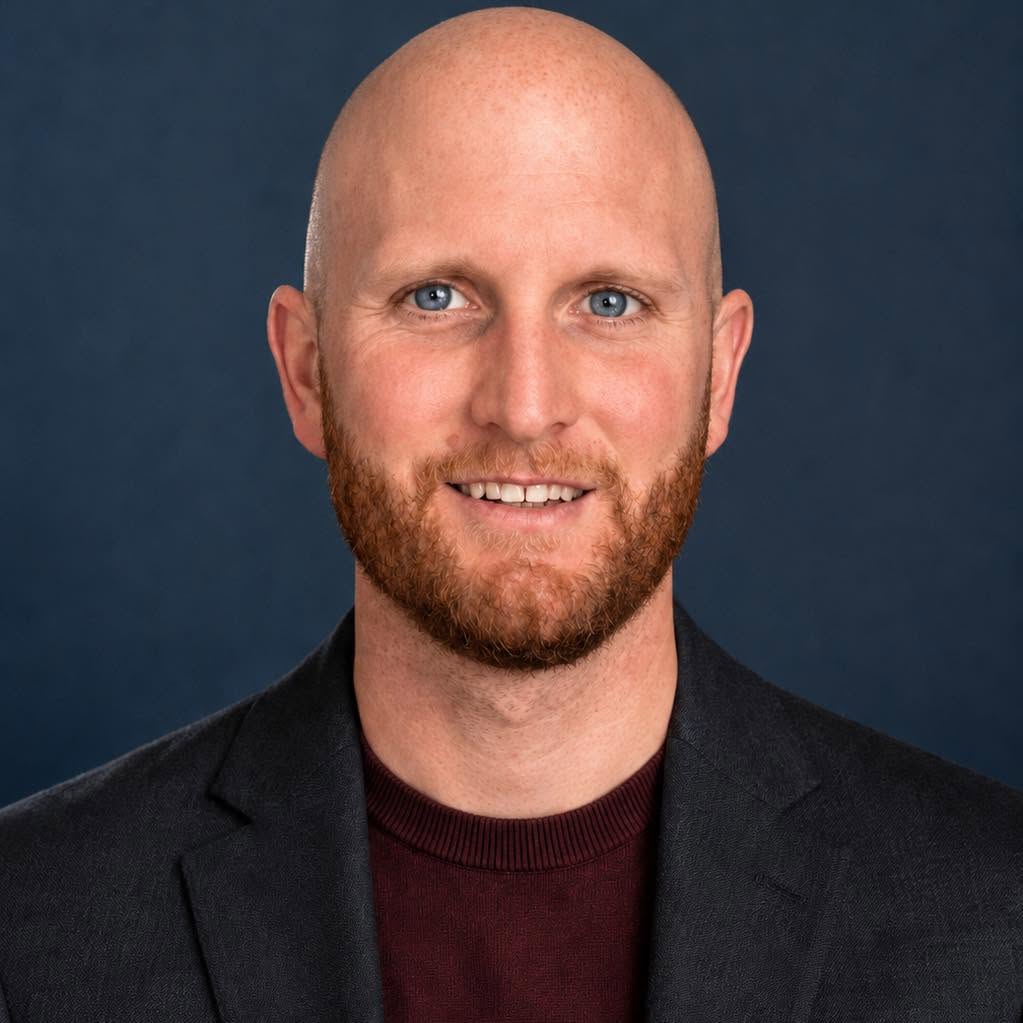
Will Boyd
Host of Building The Business & Co-Founder, CEO Finance Academy
Most people who leave corporate life picture entrepreneurship as freedom: control over your schedule, no bureaucracy, and building equity in something that belongs to you. Then you buy a service business, and during the first twelve months you realize the harsh truth: the safety net is completely gone, and you just replaced a 50-hour corporate week with an 18-hour daily grind where you are the salesperson, the customer support desk, the emergency technician, and the janitor.
On the latest episode of Building The Business, I sat down with Danielle Krueger, the owner of Woofie's of South Tampa. Danielle spent years in corporate healthcare operations, climbing the ladder, excelling inside rigid structures, and carrying intense accountability. One afternoon, burned out and exhausted, she quit her corporate job directly from an airport gate without a roadmap of what came next.
That leap led her to franchise ownership with Woofie's, a mobile pet care company delivering high-end grooming, pet sitting, and dog walking across South Tampa. In our conversation, Danielle pulled back the curtain on what the transition actually demands from a founder. Here are the core business and financial lessons every entrepreneur can pull from her journey.
1. The franchise trade-off: proven playbook vs. founder responsibility
One of the most common questions corporate professionals ask when looking at business ownership is whether to build from scratch or buy into a franchise system. Danielle evaluated both. A franchise gives you brand equity, tested operational software, vendor discounts, and an established operational framework. You don't have to spend six months designing a logo or inventing a scheduling protocol.
But Danielle was quick to point out the misconception many first-time franchise buyers bring into the deal: the franchise system does not run the business for you. The brand playbook only provides the track; the owner is still the entire engine. Customer acquisition in your local market, recruiting reliable staff, managing monthly cash flow, and handling emergency client escalations land squarely on your desk.
The franchise reality
A franchise gives you the vehicle and the manual, but you still have to buy the fuel, steer through traffic, and change the tires when they blow out.
2. The hiring heartbreak and rewiring expectations for Gen Z
In corporate healthcare, Danielle managed professionals like doctors and registered nurses whose credentials, education, and career trajectories dictated a baseline work ethic. Transitioning to a local mobile service company meant recruiting, training, and managing part-time groomers and pet sitters, many of whom were entering the workforce for the first time.
Early on, the mismatch in expectations was painful. Danielle recalled hiring a full-time groomer who promised the world, started calling out sick within weeks, and eventually stopped showing up entirely without notice. For a new business owner who had worked months to earn customer trust, having to personally call every client to cancel appointments felt devastating.
Her breakthrough came from changing how she led rather than wishing people were different. Instead of assuming candidates share her entrepreneurial drive, she instituted radical clarity in the initial interview: outlining exact behavioral standards, attendance rules, and the non-negotiables of the brand's reputation upfront. She also adopted the classic operator mantra: hire slower, fire faster.
3. Recovering from operational disappointment faster
When you run your own company, personnel hiccups and vendor surprises feel personal. If an employee quits or a van breaks down, your natural reaction in year one is emotional whiplash. Danielle explained that her greatest leadership evolution has been shrinking the recovery time between a crisis and an objective decision.
You cannot stop holding high standards or caring about your team, but you also cannot allow an operational surprise to paralyze your business for a week. The faster you accept the problem and transition into problem-solving mode, the better your team and your bottom line will be.
4. The pivotal transition: from doing every job to leading the company
In year one of any service business, the founder almost always becomes the universal bottleneck. When a dog walker calls in sick, the owner walks the dog. When the phone rings at 8:00 PM, the owner answers. Danielle lived that cycle through grueling 18-hour days until she recognized that covering every shift was capping the company's enterprise value.
As we preach every day at CEO Finance Academy, working inside the business is not the same as working on the business. When the owner spends their afternoon in the back of a mobile grooming van because someone called off, nobody is reviewing unit economics, evaluating customer acquisition costs, or setting up corporate B2B partnerships. Making the deliberate investment in operational support and management is the only move that converts a stressful self-employed job into an enduring business.
Listen to the full conversation
Danielle's story is a must-listen for anyone currently sitting in a corporate office thinking about making the jump, or any service business founder wrestling with team culture and operational burnout. You can listen to Episode 3 of Building The Business right now on the site, or subscribe on Apple Podcasts, Spotify, and YouTube.
Want to keep more of what you make?
We train you to be the CFO of your business, or we do it for you. Whether you need a dedicated fractional CFO team or want to be trained to lead your own finances, see how we partner with owners.
Written by
Will Boyd
Will Boyd has built two separate businesses to 7 figures and loves hearing entrepreneurs share their insights about business. He's the Co-Founder of CEO Finance Academy, a Fractional CFO firm serving 7 and 8-figure businesses across the US.
Read full bio